
Research

Open Dislocation Simulator: revolutionizing dislocation dynamics simulations through open source collaboration. Updated version of ParaDiS.
- Interface: Python3; Documentation: OpenDiS webpage.
- Reference: Bertin et al., MSMSE, 2019, Arsenlis et al., MSMSE, 2007.
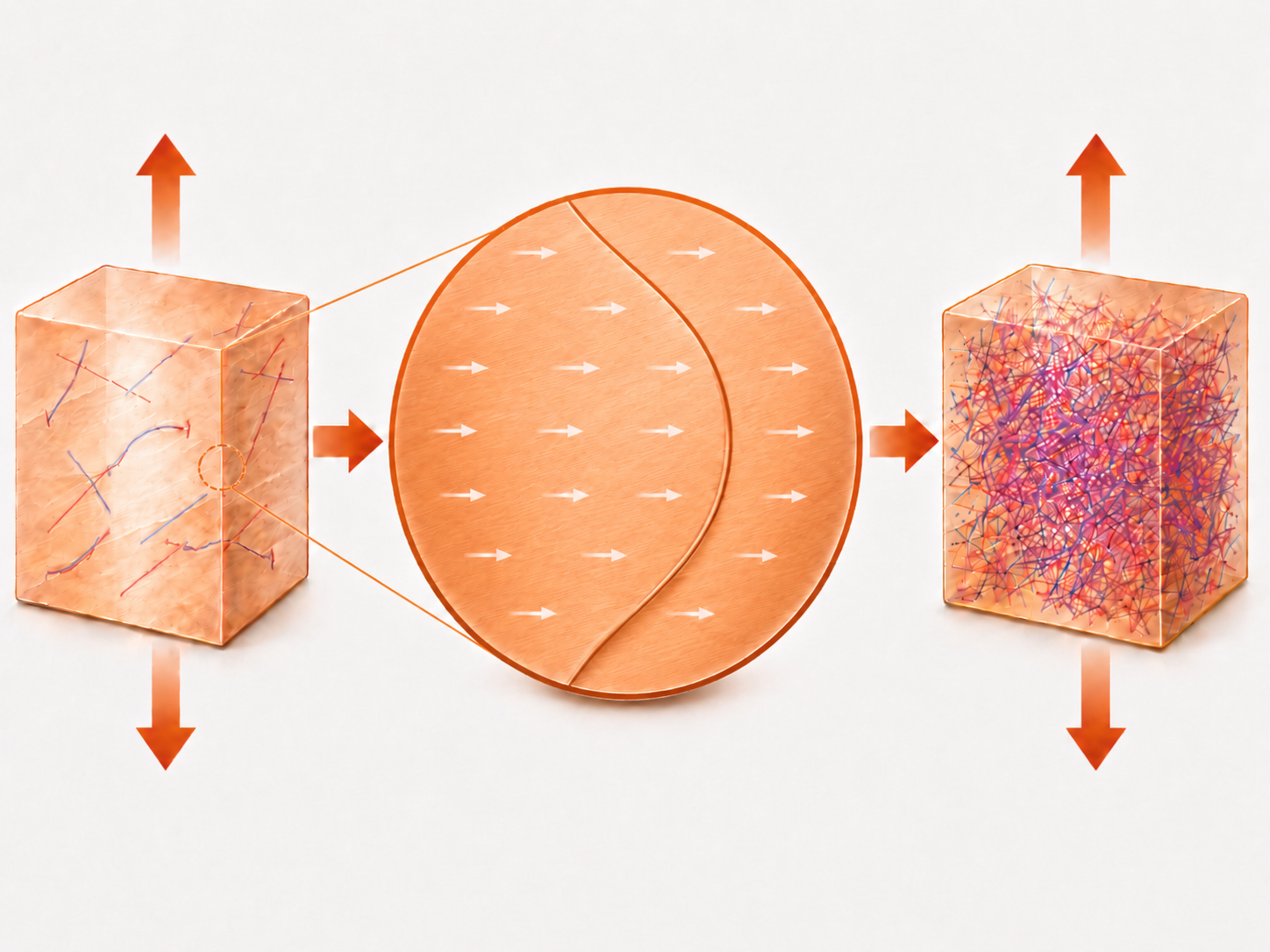
Analysis toolkit for link statistics of dislocation networks during strain hardening from discrete dislocation dynamics (DDD) simulations.
- Dependence: Data from ParaDiS (S&TR feature).
- Reference: Akhondzadeh, Zhai et al., JMPS, 2026.
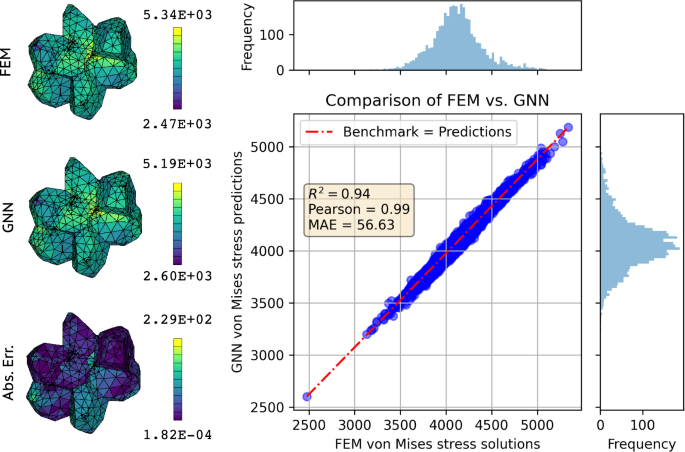
GNN FEM Polycrystal Plasticity
Using graph neural networks to predict stress in polycrystal plasticity based on finite element meshes to accelerate simulations.
- Dependence: torch, torch_geometric, Torch Scatter.
- Reference: Zhai, Computational Mechanics, 2025.
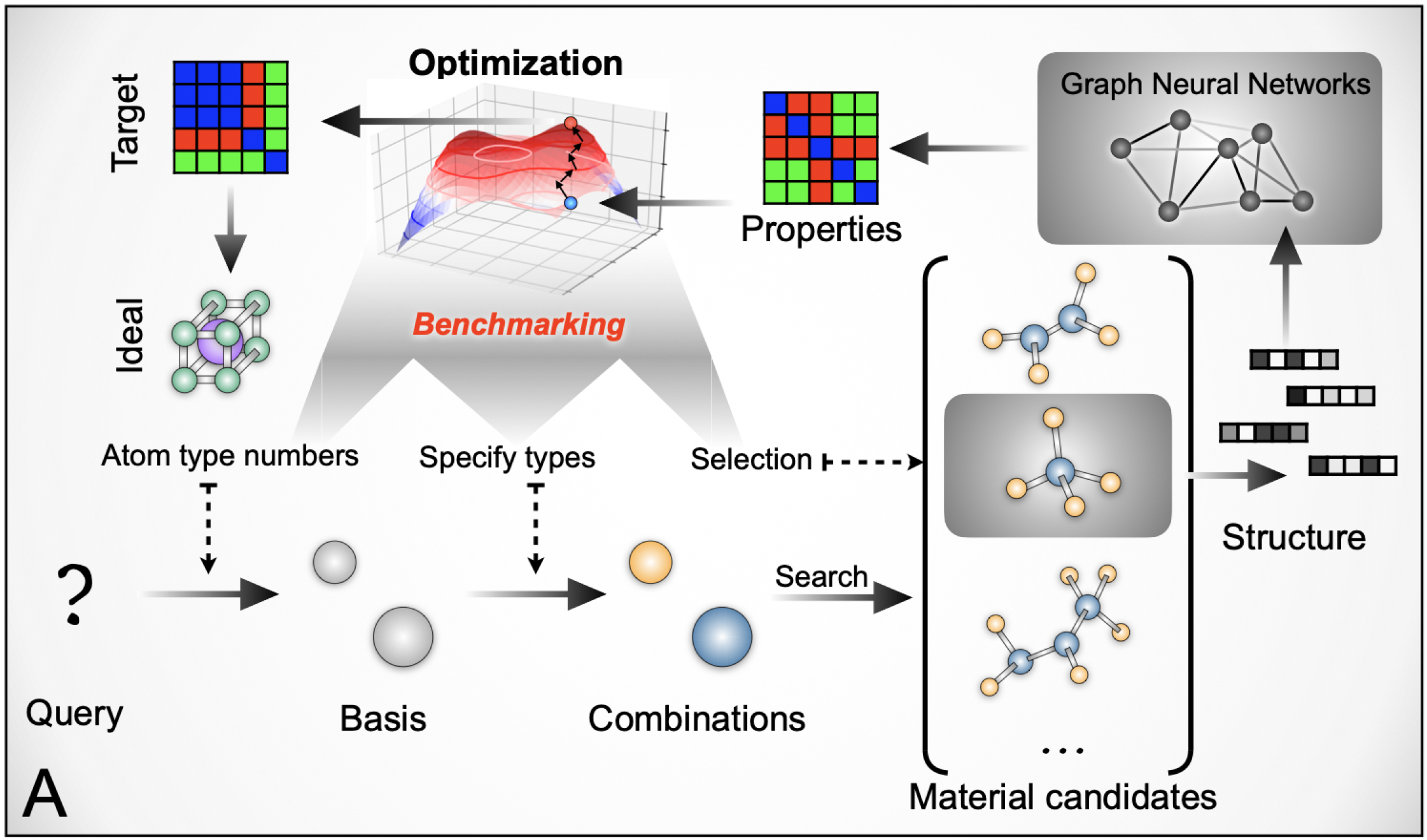
Optimization methods for materials design and discovery based on the Materials Project database with targeted properties.
- Dependence: pymatgen, MEGNet, MEALPY.
- Reference: Zhai et al., APL Materials, 2024.
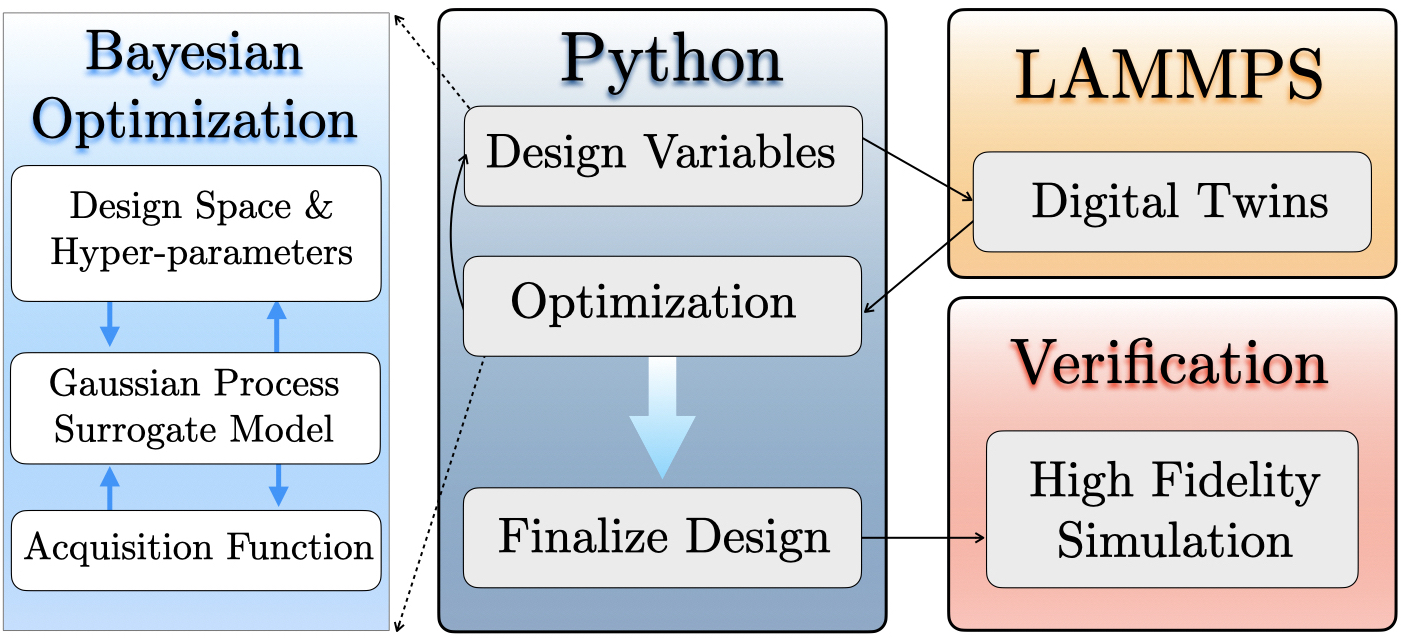
Python-LAMMPS toolkit for Multiscale, Multiphysics, Materials Design & Optimization. Used for designing antibiofilm active surfaces and porous materials.
- Dependence: LAMMPS 19.X, BayesianOptimization.
- Reference: Zhai & Yeo, ACS Biomaterials Sci. & Eng., 2023, Zhai & Yeo, JMBBM, 2023.
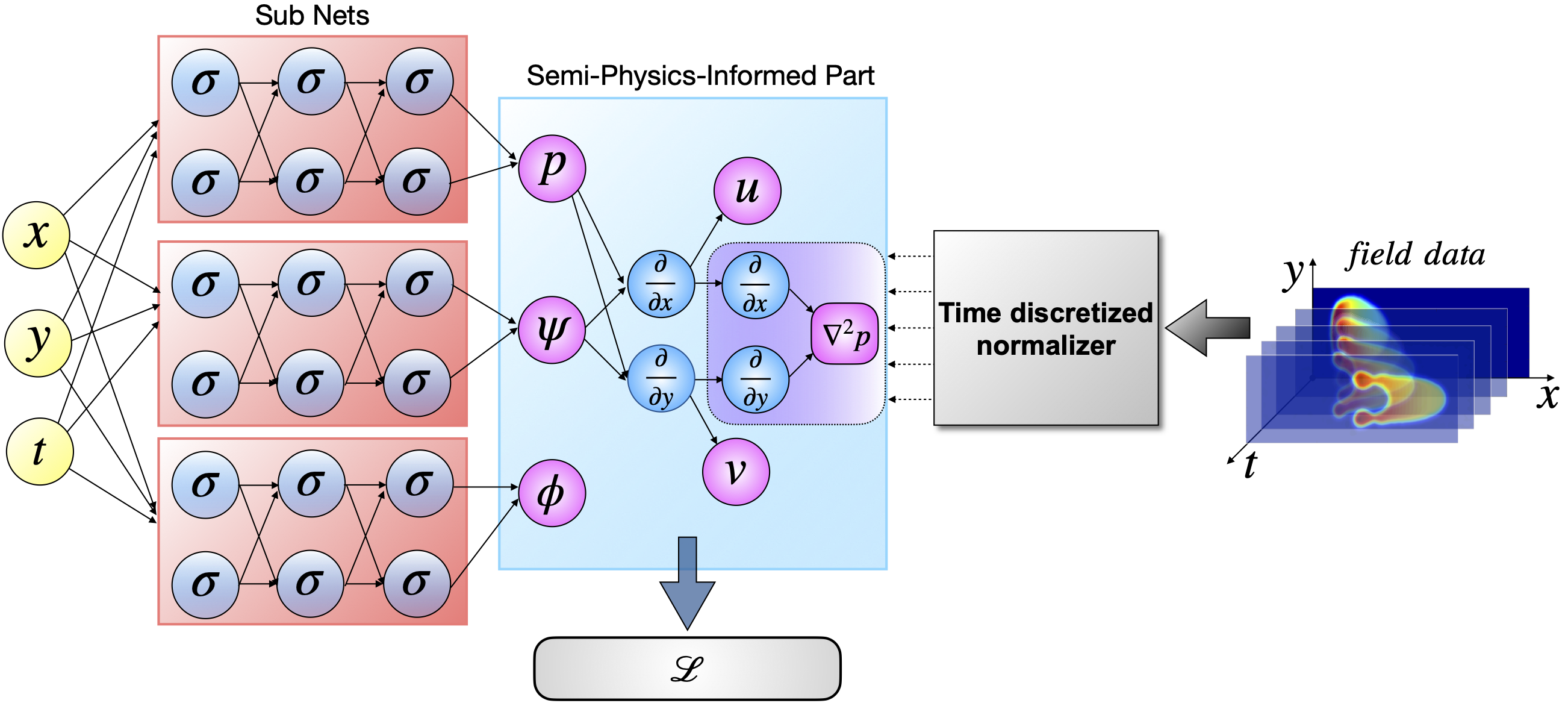
Deep learning framework to predict and obtain the physics of micro-bubble dynamics based on the general structure of PINNs.
- Dependence: TensorFlow 1.X, COMSOL Multiphysics (data).
- Reference: Zhai et al., AIP Advances, 2022.
Education
Density Functional Theory Computation of Materials
Code and data archive for Computational Materials Science, containing Quantum ESPRESSO workflows for DFT computation of materials properties. Originally run on TACC Stampede2.